
The Smart Island Home: Must-Have IoT Devices to Monitor and Control Your Property From Anywhere in the World
14 Sep
Please wait...
15 Jul
Environmental Protection of Bahamian Marine Parks
Bahamas Holds a National Assessment in Line with the Project for Marine Conservation that will Run Till 2039
The Bahamas is a haven for marine ecosystems, particularly its shallow waters and the habitats they hold, such as mangroves, blue holes, and seagrass beds. These areas sustain a wealth of unique landscapes and remarkable biodiversity, so when they are threatened, everything that depends on them is put at risk as well.
The Bahamas' Debt Conversion Project for Marine Conservation: What It Is and How It Helps
As extreme weather, coastal degradation, and rising temperatures endanger the ecosystems surrounding the archipelago, the government has taken action by outlining the Bahamas Debt Conversion Project for Marine Conservation. Created in 2024, it is expected to run until 2039.
A debt conversion operation allows a government to buy back its external bonds, i.e., its original debt, at market value. This translates into substantial savings of $124 million in this case. Those savings will fund marine conservation initiatives over 15 years under the program.
The Bahamas Begins Assessment of 70 Marine Protected Areas
The Bahamas has proven to be a pioneer in safeguarding marine habitats: 10% of its waters are designated as marine protected areas, and more than 70 sites are covered by the BDCPMC.
In late June, several project directors and key figures met to evaluate the strengths and weaknesses of the initiative's first two years. In just four days, officials completed assessments for 26 protected zones, out of more than 70 in total.
The project's monitoring specialist, Jacklyn Chisholm-Lightbourne, explained the importance of the workshop for assessing current results and redirecting strategies when needed. She noted that three such workshops are planned over the life of the project, all geared toward monitoring the effectiveness of the work already done. The effort is also expected to build on existing legislation.
How Does the BDCPMC Help in Practical Terms?
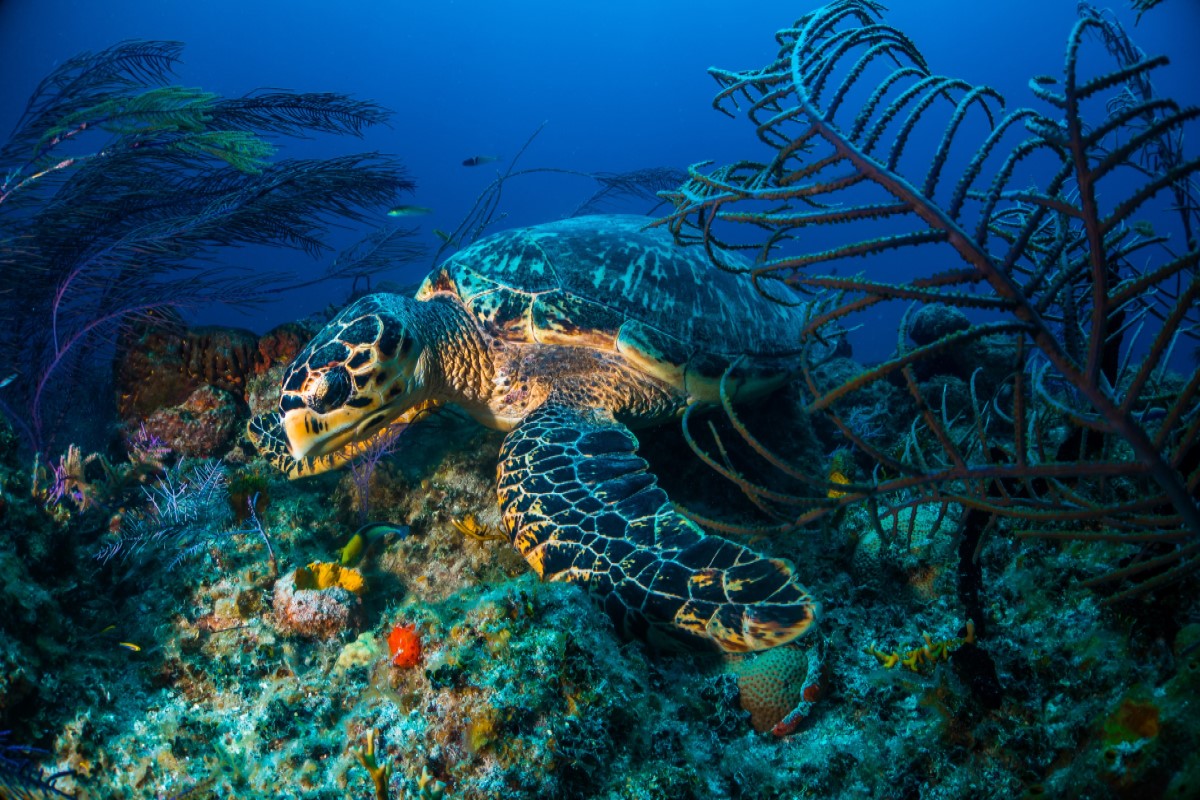
The Bahamas Debt Conversion Project for Marine Conservation supports key initiatives to protect the islands' coasts, mangrove ecosystems, and coppice forests, as well as the flora and fauna that inhabit them. It will also help preserve the country's unique coral reefs, the third-largest barrier reef in the world, which are vital to the survival of hundreds of species.
The results will show in healthier reefs, more reliable fisheries, reduced storm damage, lower recovery costs, and safer coastal communities.
All Bahamians are invited to take part, whether through town halls and workshops or activities such as mangrove planting and similar projects.
The BDCPMC has drawn many supporters and is seen as a smart move: it reduces the country's overall debt while reinvesting in a vital sector that sustains not only wildlife but also local communities. The variety and richness of its shallow waters, mangrove forests, and spacious blue holes support the livelihoods of most Bahamians, from fishermen to tourism service providers and workers in the hospitality sector.
This June, the project conducted an important evaluation to continue supporting the protected zones efficiently and over the long term in this tropical paradise with a tourism-reliant economy.