
The Smart Island Home: Must-Have IoT Devices to Monitor and Control Your Property From Anywhere in the World
14 Sep
Please wait...
22 Jul
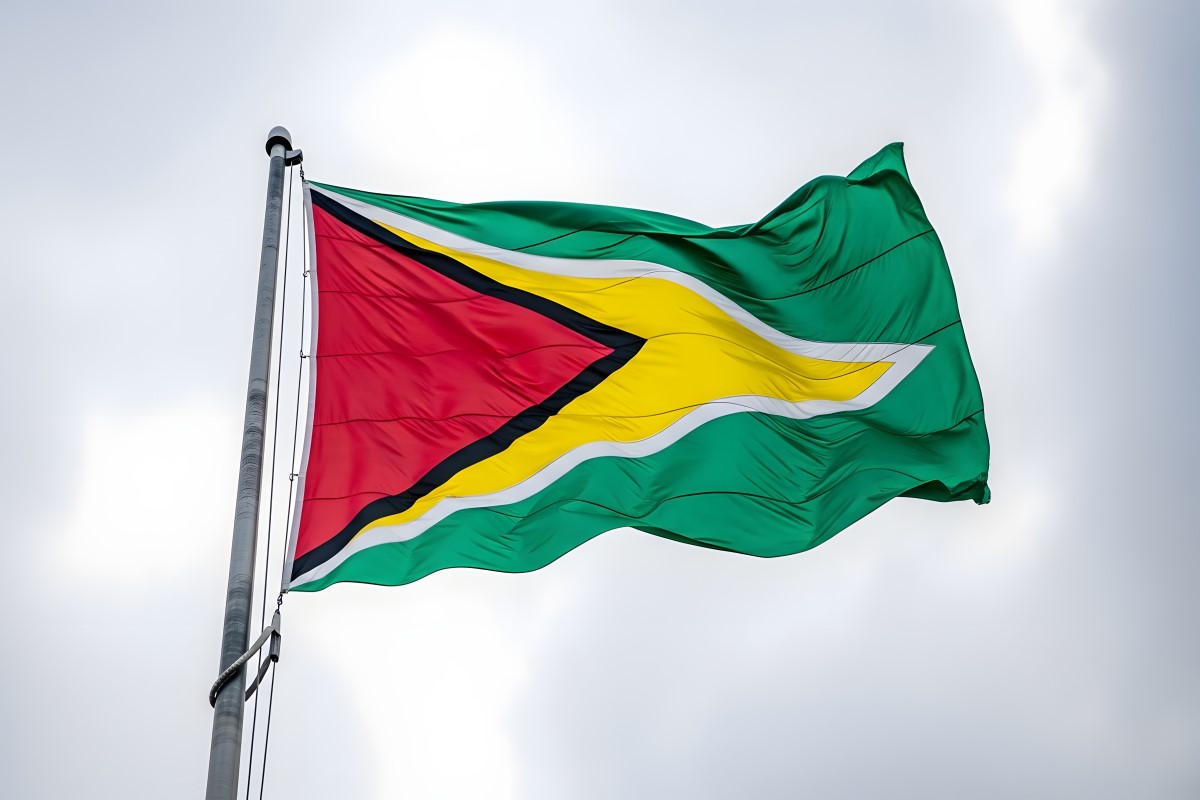
How Guyana's Oil Boom Is Changing the Caribbean Financial Landscape Even After a Decade
Just over a decade ago, oil was discovered in the Stabroek Block, roughly 120 to 190 miles offshore from the South American nation of Guyana. It marked a turning point for the economy and the prospects of a small country with roughly 800,000 inhabitants. Eleven years on, we can see the effects of this breakthrough in Guyana and the surrounding regions.
A True Cinderella Story
It wasn't only the discovery but also the swift reactions by the government and the private sector that paved the way for Guyana’s oil journey. The reservoirs were found in 2015, and the first oil was produced in 2019, through operations led by ExxonMobil.
One year later, the COVID-19 crisis hit, and most countries were facing severe hardship, but not Guyana, whose economy expanded by 43.5% during that period. In 2022, it became the fastest-growing economy in the Western Hemisphere, recording a 60% expansion. By June 2026, only halfway through the year, it had reached a daily average of 903,000 barrels produced.
A Regional Shift in Oil Production
ExxonMobil's Yellowtail project played an important role in this success story. The multinational proposed Yellowtail to optimize output in 2022, after securing approval from the Environmental Protection Agency, and the project came online in 2025.
That was a major twist, positioning the country as the third-largest oil producer in Latin America and the Caribbean. And in 2026, Guyana leveraged its advantage over some of the world’s major oil producers by remaining neutral and far from the Strait of Hormuz.
Other players in South America, such as Brazil and Argentina, helped improve the region’s position in the oil-producing and exporting industries.
Brazil recovered from the relatively flat figures from 2024, and by October 2025 its monthly output topped 4.0 million b/d, thanks to two new startups. Argentina, meanwhile, recovered from years of decline on the back of its Vaca Muerta shale formation, producing significant volumes of crude through withdrawal methods such as hydraulic fracturing.
Guyana's Success Changes the CARICOM Landscape and Could Help Accelerate the Fulfillment of Common Objectives
Nearby countries and CARICOM neighbors are benefiting from this growth, too. Guyana's rapid expansion exceeds the capacity of its relatively small workforce and manufacturing sector. So as income rises and private investment climbs, new needs emerge.
CARICOM countries like Jamaica, Trinidad and Tobago, and Barbados, backed by bilateral agreements, have taken the lead in filling those gaps and, as a result, their economies have expanded. The industries that benefit most are construction, tourism, and hospitality.
This healthy collaboration is only beginning, and it promises to take expansion beyond oil-related operations. Guyana has exceptional agricultural potential. Abundance of fresh water, vast fields of arable land, and an equatorial climate make it a prime candidate to contribute to CARICOM's Vision 25 by 2030. Formerly 25 by 25, this initiative’s main goal is to cut the region's food import bill by 25% by 2030.
Guyana's Lucky Strike
Guyana's remarkable oil discoveries are generating significant economic benefits, propelling both the country and the region to unprecedented levels of energy production and growth. The positive effects extend across CARICOM, creating opportunities for progress in other sectors as well. By reinforcing bilateral treaties and streamlining regulations, the Caribbean can build on this momentum and foster sustained prosperity in the years ahead.