Build vs. Buy: Navigating the Caribbean Homebuyer’s Choice
14 Oct
Please wait...
14 Oct
Build vs. Buy: Navigating the Caribbean Homebuyer’s Choice

You’ve always dreamed of owning a place in the Caribbean and finally have the time and resources to make it a reality. Now comes the big decision: will you build it from scratch or buy an existing property?
If you haven’t weighed your options yet, there’s a lot to consider. While scrolling through Caribbean real estate listings, you may be tempted by page after page of stunning properties, luring you with spacious living rooms, fancy decks, and fantastic views.
Choosing a move-in-ready home often feels far simpler than taking on a lengthy build, navigating government permits, and managing an unpredictable construction process.
This guide will shed some light on this conundrum and help you decide which option is right for you.
The Homebuyer's Dilemma: Build Custom or Buy an Existing Property
Wait a little longer for a home 100% to your liking, or move into your island paradise tomorrow?
Customization is the strongest case for construction. When you design from scratch, there is literally no limit, bounded only by the size of the plot and local zoning laws.
One of the most convenient aspects of customization is designing floor plans around your family’s needs. This is a chance to add a more secluded room for those family members who need more privacy, such as grandparents or a young adult who is several years older than their siblings. A family with two boys and a girl can build two rooms with a shared bathroom, plus a separate one with another bathroom for the girl.
Today, it’s not unusual for at least one parent to work from home. They can set up a comfortable studio away from the social areas, so they can work without being disturbed by everyone else's routine. And if both husband and wife have remote positions, each can have their own working space without stepping on each other's toes. You will rarely find a pre-owned property with all those exact features, no matter how awesome the listings may appear.
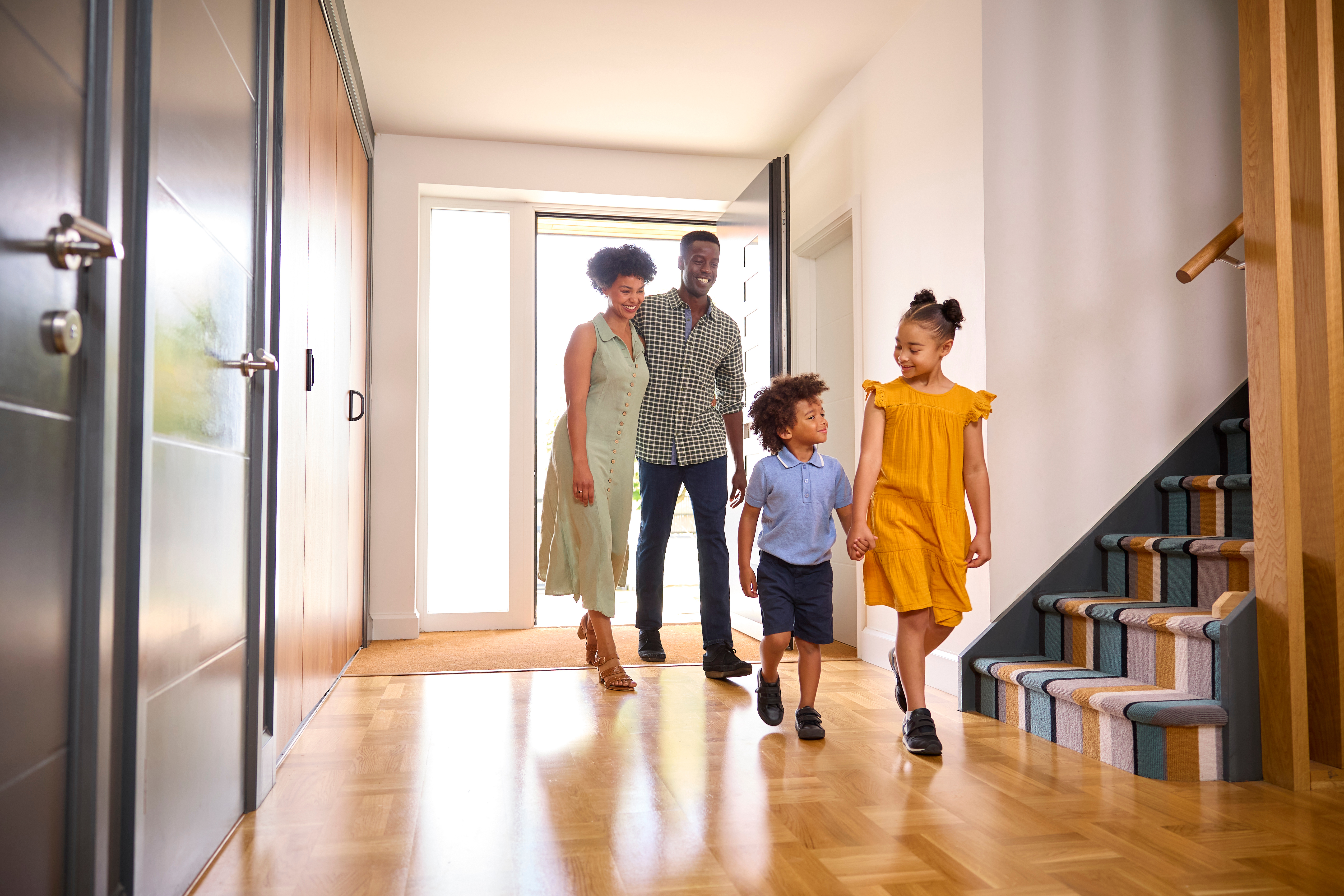
On the other hand, if you choose an existing build, you can move in any time after closing.
Living in the perfect-fit house might be encouragement enough to take on this journey, but be ready for surprises. Many factors can delay construction, including weather conditions, material shortages, unexpected findings on the land, or slow inspections.
Another advantage of turnkey living is the chance to see what you buy with your own eyes. No renders or virtual tours can truly convey how spacious a room is, how the environment feels, and how the views through the windows actually look.
Smart Design & Site Reality: Maximizing Climate, Minimizing Costs
Smart design optimizes space and natural energy, which translates into major savings over time. In the Caribbean, home orientation revolves around two main forces: sunlight and the trade winds.
Since the Caribbean experiences intense heat, you may want to minimize western exposure to prevent afternoon heat buildup, which drives up air conditioning costs. At the same time, because prevailing winds blow from the east, orienting a rectangular home length-wise from east to west is most favorable. It allows you to capture cooling breezes through eastern windows while keeping broad walls out of the harshest direct sunlight.
Strategic orientation also solves practical site issues, such as angling a home slightly to deflect street noise or block sightlines into a neighbor's yard.
However, building from scratch comes with a catch. Unless you buy in an established luxury development, prime vacant plots often sit in semi-developed areas. This means you may need to budget for infrastructure upgrades, including larger water cisterns, road paving, or off-grid power solutions.
Future-Proofing vs. Upfront Costs: Innovation, Solar, and Budget Realities
Modern building materials resist harsh heat and salt-laden ocean air, reducing the maintenance needs and lowering your home's cooling costs. These energy-efficient upgrades can save you money in the long run and increase your home's resale value by appealing to eco-friendly buyers.
For instance, making your roof solar-panel ready is a smart move, as these systems are becoming more widespread and renewable energy gains traction across the region.
The difference lies in small but important details: make sure the roof has the right orientation to maximize sun exposure without shading from nearby trees or structures. Also, make the roof accessible for future panel installation, repair, and maintenance.
To be fair, these future savings require an upfront investment, and construction costs in the islands can sometimes be unpredictable. When you buy a resale property, you pay the price you agreed on, with no surprises.
With custom builds, by contrast, you're exposed to unexpected increases if material prices skyrocket, the project takes longer than planned, or unexpected permitting fees arise.
Furthermore, executing a high-quality build requires hiring experienced architects and skilled contractors who understand tropical building codes, and their expertise comes at a premium.
New Build vs. Resale: A Practical Conclusion

In your dream, you may build your custom villa in your favorite neighborhood and have it delivered on schedule, while paying a reasonable price. However, homebuyers must weigh the practical pros and cons of each option.
What you decide depends on what works for you and your family. It comes down to a few questions: What are you not willing to negotiate? What fits your timeline and lifestyle? And how much flexibility do you have when unexpected variables arise?
Constructing a custom home can be immensely rewarding if you aren't in a hurry, have alternative accommodations during the build, and have the budget to hire a reliable local project manager to oversee operations. If you prefer immediate gratification, predictable costs, and a hassle-free transition to island living, a turnkey resale property will deliver comfort and satisfaction without the wait.