
The Smart Island Home: Must-Have IoT Devices to Monitor and Control Your Property From Anywhere in the World
14 Sep
Please wait...
07 Aug
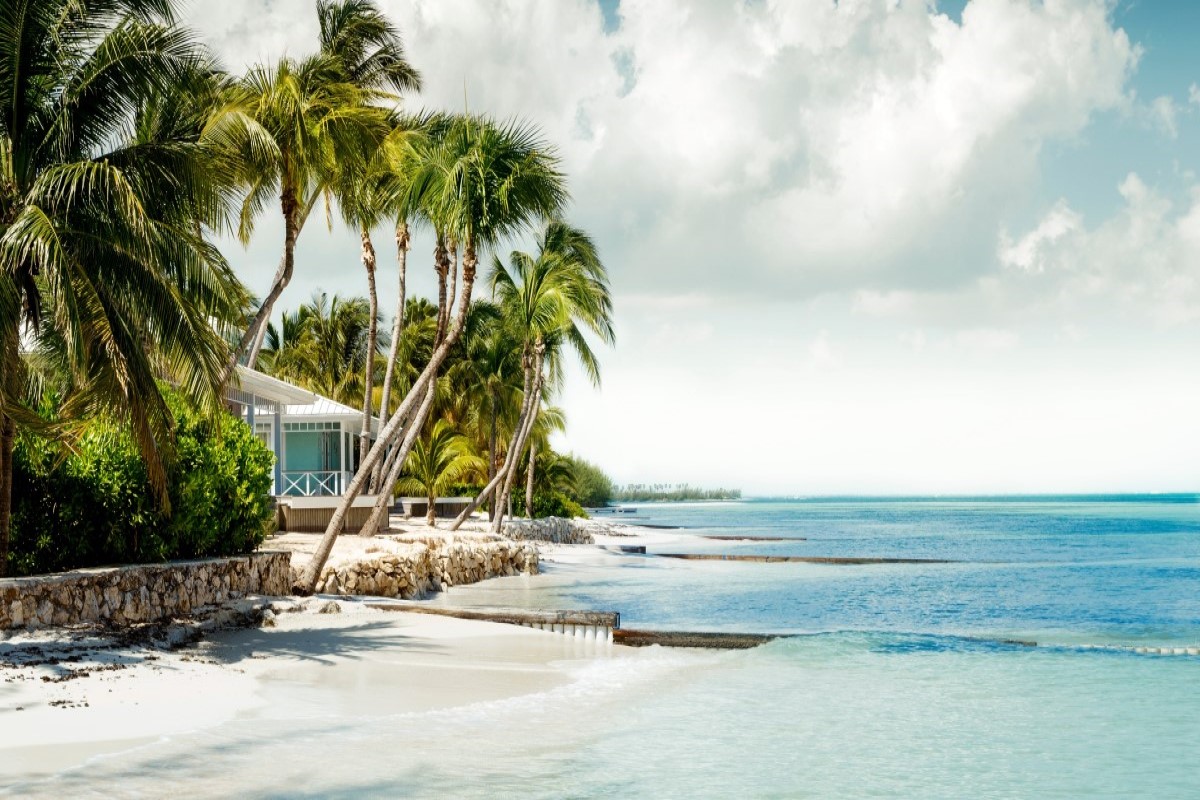
Can You Actually Own Beachfront Property Outright in the Caribbean? The Difference Between Titled and Lease Land
Buying beachfront property in the Caribbean is a dream move for investors and relocating families alike. But while the idea of owning a slice of paradise is thrilling, cross-border real estate investments demand smart, careful planning before you sign on the dotted line.
Who wouldn’t dream of a sumptuous beachfront villa? Who wouldn't want to land an ample plot a few meters from the sea? When browsing Caribbean listings, it’s easy to get swept up in stunning ocean views. To make a smart investment, stay objective and focus on the legal essentials, especially the property's title marketability and ownership structure.
From irregularities to specific policies, there are details that every prospective buyer should know before signing a purchase/sales agreement.
Let's delve into the difference between titled ownership and concession land, and how this might affect your purchase in the Caribbean.
Buy Smart: Know the Different Types of Ownership
Freehold Title: Full Ownership and Long-Term Peace of Mind
When buying freehold real estate, the buyer receives a title deed that designates them as the outright owner of both the property and the land it sits on. This offers complete control over the home; the owner decides who stays, whether to rent it out, or how to pass it on to their heirs. While local zoning laws, coastal setback rules, and public beach access rights still apply, freehold ownership gives you the ultimate long-term security in paradise.
Concession Land: A Long-Term Municipal Lease
To understand concession property, think of it as a long-term lease from the local government rather than outright ownership.
Unlike a standard apartment rental where you simply pay monthly rent, acquiring concession land gives you the legal right to use, develop, and build on a specific parcel, usually located in prime beachfront zones
These agreements typically last for set terms (often 20 years) and can be renewed or transferred, provided you comply with local zoning rules and pay annual government fees.
What Land Falls Under Government Concession?
Governments typically retain ownership of sensitive areas, such as coastal maritime zones, national parks, and border territories, to protect national interests. Rather than selling these prime locations, the state leases the right to build and operate on them. While major commercial developments and resorts frequently use concessions, individual residential buyers can acquire them too.
However, concession land requires extra caution. Foreign buyers may face ownership restrictions (such as needing a local corporation or minimum residency), and due diligence must confirm clear municipal records, defined boundaries, and approved local zoning plans.
What’s the Silver Lining?
It turns out that concession land has its benefits. Prices under such conditions are much more affordable and allow access to landscapes of unique beauty.
There's also the commercial potential and the possibility of significant profit in areas that are generally a tourist magnet. Stores, restaurants, water parks, rental complexes, hotels, resorts, and marinas are common in such areas, as they need a constant flow of visitors. Outside of the tourist sector, other uses can be agriculture, cattle ranching, or timber activities.
Well-known Concession Land Across the Islands
Some of the most beloved Caribbean treasures are available for public enjoyment through lease agreements.
When visiting the mesmerizing Dunn’s River Falls in Jamaica, one can observe the 180-foot-tall waterfall in awe, knowing that the entire attraction, from the cascades to the surrounding park facilities, is preserved for the public and managed by Jamaica's Urban Development Corporation.
It’s standard practice for private companies to operate water sport rentals, eco-tours, and visitor services under government-issued concessions, as seen in the Virgin Islands National Park, where the US National Park Service preserves the land while third-party vendors host activities. Similar arrangements exist across the region: while some cruise line retreats (like Royal Caribbean's CocoCay) are privately owned, many others operate on long-term government leases or concessions, transforming state-owned land into exclusive, passengers-only paradises.
Keep Your Eyes Wide Open for Crown Land and Informal Settlements
The buyer who still wants a freehold title on a coastal zone should not give up. Some Caribbean destinations, such as the Cayman Islands, the Bahamas, and the Turks and Caicos Islands, allow foreign buyers to purchase prime beachfront property with full freehold title. In contrast, other countries impose a public maritime zone along the coast, requiring concession permits or special government approval to build right on the shore.
Nevertheless, it's always advisable to consult with a local lawyer and find out the specifics of each case because restrictions can apply in some specific regions.
Entering into a concession agreement intentionally is fine; discovering that a property is leased rather than titled halfway through a deal is a nightmare.
Buyers cannot afford to go under contract without knowing the land's legal status, or risk purchasing property with ambiguous boundaries and unverified title rights.
Across the former British Caribbean, state-owned territory is referred to as Crown land. In some areas, these parcels have been occupied informally over generations without registered deeds.
Buyers must exercise extreme caution: informal occupants have no legal title to transfer, and buying Crown land from a private individual is illegal.
To acquire or use Crown land legitimately, you must apply directly to the government for an official lease or concession.
A Decisive Moment: Choosing Between Freehold Title Versus Leased Land
Choosing between the two options depends entirely on the buyer's objectives. If the goal is to secure a living place or a family home, there is no better alternative than freehold real estate. This will be an asset for your family to enjoy for generations.
Some buyers already have a property, maybe even more than one. For them, land is more of an income vehicle rather than a safe nest. It is also the obvious choice for large companies and individuals whose main activities rely on tourism and public services.
When to Choose Full Title: Key Advantages
Long-Term Security: Permanent ownership with no lease expiration dates or municipal renewals.
Generational Legacy: An asset that can be passed down to your heirs or split cleanly among inheriting family members upon sale.
Flexible Usage: Freedom to use the property for personal vacations, full-time living, or rental income (subject to local regulations).
Stronger Market Value: Titled properties are easier to finance, mortgage, and resell on the open market compared to leaseholds.
Unencumbered Capital: Full ownership gives you total control over when and how to liquidate your investment.
When to Choose Concession Land: Key Advantages
Access to Restricted Coastal Zones: The primary way to secure prime beachfront property in areas where private land titles are legally prohibited.
Ideal for Commercial & Tourism Ventures: Perfect for establishing beach clubs, boutique hotels, restaurants, and water sport rentals right on the shore.
Lower Initial Capital Investment: Offers a lower upfront purchase price compared to titled coastal real estate.
High Cash-Flow Potential: Functions as a strong income-generating business asset focused on high seasonal tourist yields.
Flexible Operating Terms: Allows investors to run lucrative commercial enterprises for renewable, multi-decade terms.
Making an Informed Choice
Understanding the difference between titled and concession property is the single most important step toward making a secure investment and avoiding costly legal pitfalls.
While many island nations reserve their shores under government concessions, several Caribbean destinations still offer prime beachfront properties available with 100% freehold title. Whichever path aligns with your goals, approaching the market with clear due diligence ensures your slice of Caribbean paradise is built on a solid foundation.