Landscaping with Caribbean-Native Plants
24 Jul
Please wait...
24 Jul
Landscaping with Caribbean-Native Plants
How to Make Your Garden Look Stunning in the Tropics
Do you like stepping out of your doorway into vast greenery and a rainbow of blossoms? Are you one of those who love to be surrounded by herbs and trees? Do you choose to spend your spare time planting, trimming branches, and watering your shrubs?
It is clear that you love gardens, so if you want to start one in the Caribbean or are wondering how to maintain your existing one, here are some useful tips. Let’s discover the best practices and the major role native plants play in keeping your front yard colorful and vividly green all year long.
Why Choose Native Plants for Your Caribbean Yard?
The Secret to a Healthy Caribbean Garden
The origins of modern gardening date back to the seventeenth century in countries such as Italy, France, and England, building on a tradition that began as early as the 6th century BC with the Hanging Gardens of Babylon.
When the Europeans came to the Caribbean, they brought their aesthetic concept of what a garden should look like: structured parterres, complex knot flower beds, and neatly manicured hedgerows. While these classical layouts offer a distinct, historic charm, the region's lush climate naturally lends itself to a more vibrant aesthetic. Today’s Caribbean landscaping embraces beautiful, native flora that thrives effortlessly in the tropical climate, offering stunning visual appeal without the need for intensive, around-the-clock maintenance.
Evolution has equipped these native plants to survive in the Caribbean, so on your end, you don’t have to put in much effort. Besides, they get along with other native inhabitants, including insects, birds, and mammals, as they have evolved alongside them for centuries.
Challenges a Landscaper Must Face in Tropical Weather
Plants in the tropics are exposed to numerous threatening factors and extreme weather. During the rainy season, the main challenge is to survive soil erosion caused by torrential rain. In the drier months, the challenge is to maintain the roots moist enough to ensure the plant’s survival and optimal health.
Moreover, the coastal air is highly saline, a harsh condition that leaves traditional ornamental flowers vulnerable to salt burn. While it is possible to cultivate roses in a tropical beachside yard, doing so requires meticulous care. Success demands shielding them from prevailing sea winds, treating them preventatively for humidity-driven pests, and ensuring pristine soil drainage to counteract salt accumulation without triggering destructive fungal diseases on wet foliage.
How to Maintain Your Caribbean Garden Beautiful All Year Round with Native Plants
Choose Pollinator-Friendly Species
Setting the table for the pollinators helps everyone: them, you, and above all, your garden. They have evolved alongside this vegetation for centuries, so their actions help maintain the ecosystem and the plantation's overall health. They bring along pest-eating organisms and natural protection, and their pollination helps foster genetic diversity and create stronger sprouts and more resilient flora.
Don’t Water Excessively: Water Smartly
The survival of your garden during the dry season depends entirely on you and your watering habits. The major concern here is not so much the lack of water but the elevated temperatures that cause moisture to evaporate quickly.
You want the water to reach the roots, so a long session is better than several separate splashes throughout the day. Most importantly, do it early in the morning or after sunset when the evaporation is low.
In particularly delicate herbs, add thick layers of mulch. Placing this around shrubs, stems, and trees will help retain moisture and improve soil quality.
Caribbean-Native Plants to Beautify your Exterior and Keep your Garden Healthy Through all Seasons
Agave
Agave is a type of succulent; hence, it’s highly drought-resistant and thrives in full sun. They like fast-draining soil and can grow even on stone or clay-rich surfaces.
Because of their rosette-shaped silhouettes, landscapers use them as focal points, especially when working with Agave americana. These plants can grow as tall as a small tree, reaching up to 6 feet and up to 10 feet wide.
Other varieties, such as Agave victoriae-reginae, are smaller and ideal for garnishing strategic spots. Their geometric margins, cute, reduced size, and symmetric shape will look great lined up next to a water feature, embellishing the windowsill or the edges of your patio to evoke balance and neatness. Thanks to their unique resilience, you’ll have your decorations assured for many years.
Crotons
Crotons, with their wide leaves and alluring shades of yellow, red, and orange, also make an outstanding focal point. Another common use is placing them as ornaments on large balconies, terraces, or extended spare areas.
They tolerate harsh climatic conditions while adding a vibrant touch, which can be combined with shorter blossoms of different colors and textures.
Bougainvillea
For a breathtaking burst of tropical color, nothing compares to the bougainvillea's vibrant, fluorescent pink bracts. Besides being able to grow in a variety of soil types and being highly drought-resistant, it is quite flexible. It can be shaped into shrubs, cascading down a wall, across fences and pergolas, or contained in pots.
Bougainvillea will grow quickly with minimum maintenance; however, it can be invasive. So, it’s better to monitor them closely and trim them regularly, especially if they are planted in boundary areas. Finally, bougainvillea can be reluctant to bloom if placed in overly shaded spots.
Plumeria
The plumeria shows a lovely, delicate blossom, supported by thick stems and long, waxy leaves. They can be used for many purposes, from dressing up focal points to adding a delicate touch to the corners. Furthermore, their roots’ characteristics make them a great poolside ornamentation. Since their roots never grow deeper than 18 or 36 inches, they are safe to plant next to hard materials like foundations, pools, floors, and water pipes.
Canna Lilies
The Canna lilies surely add an exotic touch. Those thick leaves resemble the rainforest, and their slender, crimson blossoms are both elegant and striking.
Plant Canna lilies to add a sophisticated touch to your house’s front yard with minimal effort, as they are low-maintenance. They do, however, like moist soil. So, during the dry season, make sure to mulch them well.
Hibiscus
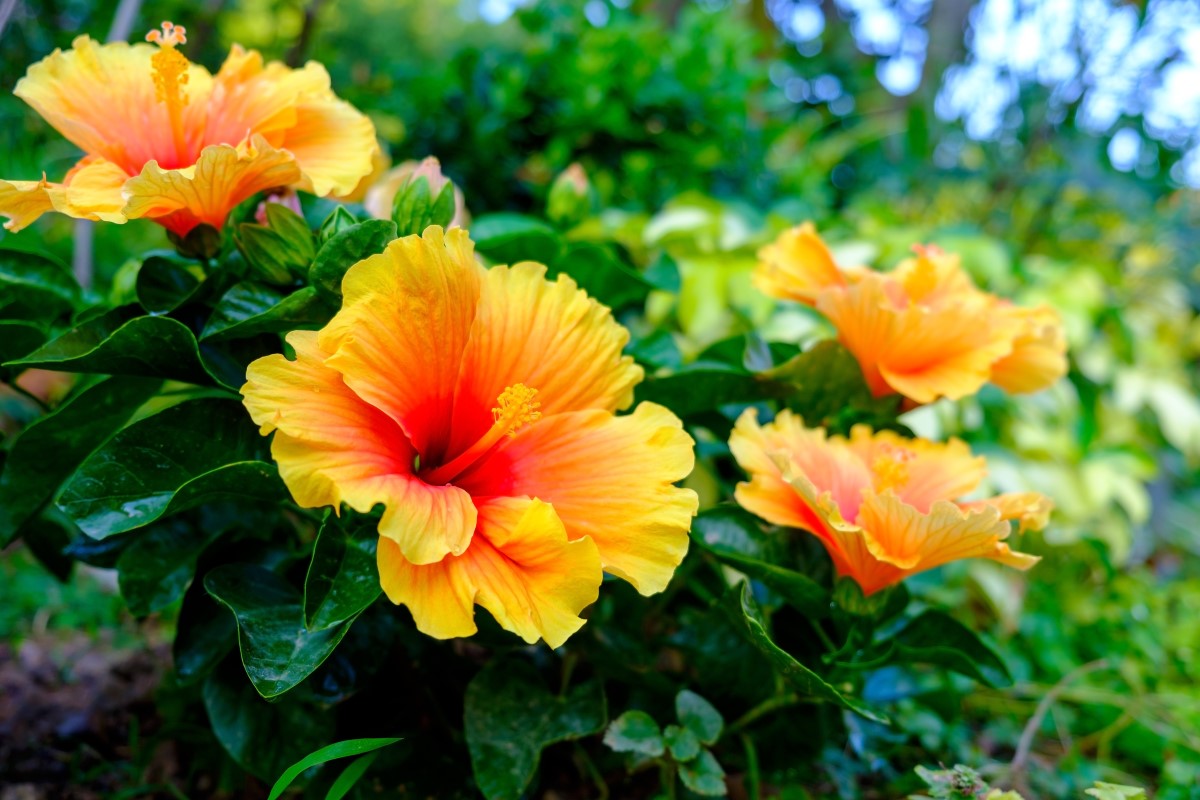
Hibiscus are excellent companions for the Cana Lily, with shorter shrubs and wider flowers. This is another handsome specimen commonly found in Caribbean landscaping, yet it’s not native. Brought centuries ago from Africa and Asia, hibiscus has integrated well with the tropical environment.
Native Plants are not Just Convenient; They are a Statement
Choosing specimens that have been adapting to the local weather for centuries is a smart choice. They are naturally capable of resisting the above-mentioned challenges and will demand less care and effort.
The latest gardening trends are moving away from rigid, traditional layouts toward a celebration of the natural world. By embracing native Caribbean flora, today’s estate gardens strike a perfect harmony with their surroundings. This approach honors the islands' unique ecology, transforming luxury landscaping into a mindful partnership with nature rather than an attempt to tame it.