What to Expect During Caribbean Hurricane Season
05 Aug
Please wait...
05 Aug
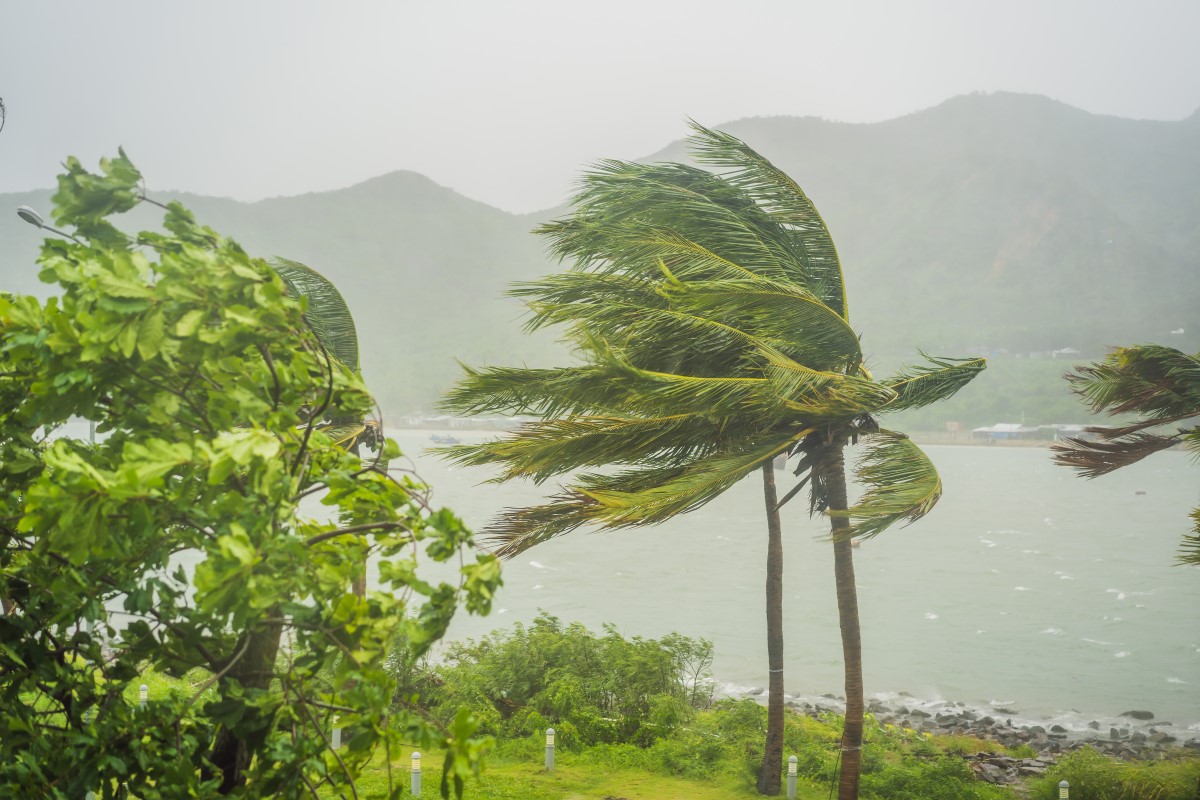
What to Expect During Caribbean Hurricane Season
How to Enjoy the Caribbean During Hurricane Season and Stay Safe
If your schedule doesn't allow you to visit the Caribbean during peak season, there's no reason to worry. Pour yourself a warm cup of tea, relax, and explore your options.
Life doesn’t stop from June to November. In the Caribbean, people still go to work, to school, to the university, and yes, tourists still visit. So, why shouldn’t you?
With the right considerations and preventive measures, you can have the vacation of your lifetime, spend less money, and escape the crowds. Here are a few insights into what to expect realistically during these months. Also, stay till the end of the article for some quick hurricane-safety tips.
The Other Side of the Caribbean - Why Travel During Hurricane Season
The Same Fun at Lower Prices
Believe it or not, traveling to the Caribbean during low season has its advantages, and one of them is access to better prices. Prices drop considerably: if you are lucky enough, you can get accommodation at half the cost you would get in January, and you can get flights up to 20% off.
These discounts definitely make low season more appealing, but they are not the only advantages.
Live the Real Laid-back, Paradise Experience
Many people choose not to risk it and downright avoid the Caribbean during these months, while others see an opportunity to enjoy the region's more tranquil side. Reports indicate that, after severe storms, affected islands can experience up to a 40% decline in tourism revenue, a reality that often leads to deep discounts for budget-conscious solo travelers. Visiting during these times offers empty beaches and a chance to support local economic recovery directly.
Some experiences are simply better without the crowds, like long seaside walks, museum visits, or enjoying a cocktail on the beach. It’s better to experience a truly laid-back tropical vacation rather than waiting hours for a reservation, standing in long lines, or being on packed beaches.
Delightful Weather
The best part? It stays warm and tropical all year-round, with average temperatures hovering between 80 and 90°F. Even though during this time humidity is higher and brief rain showers are more frequent, you’ll still enjoy plenty of sunshine and warm waters.
If a person from a distant part of the world looked at the weather reports in the Caribbean during low season, they would see that it rains every day. This would probably discourage anyone.
However, people who live in the Caribbean know how capricious their climate is: it can be literally raining in your backyard and sunny in your front yard. Technically, it rains every day, but these are isolated showers.
So, if you are arriving at the beach and it starts to rain, don’t hurry back to your rental. You can enter a beach bar instead and, probably before you even order, the sun will be out again, and the sea will be ideal for a swim.
What to Keep in Mind when Visiting the Caribbean from June to November
So, if you have made up your mind, it’s time to start looking for hotels and flight deals. But before you do that, make sure to read the following guide on what to consider when traveling to the Caribbean during hurricane season.
Minimize Risk of Loss: Insurance and Refundable Tickets
If you don’t want your dream to turn into a nightmare, it’s better to take certain precautions.
For starters, make sure that you buy refundable tickets. Thus, if flights get canceled or a hurricane alert is triggered at your destination, you can recover your money or reschedule your trip without penalties. The same goes for accommodation.
Insurance is a must-have in such situations. There are different kinds of policies: standard plans can reimburse your prepaid travel and accommodation expenses if a named storm forces a cancellation or mandatory evacuation. Needless to say, you should always get travel health insurance, which will cover unexpected medical emergencies abroad.
Reading the fine print is very important, because a basic policy will probably not cover every weather scenario. Also, once a storm is named, it’s too late to buy coverage for it. Furthermore, standard plans only cover specific, severe disruptions. For total peace of mind, consider adding Cancel For Any Reason (CFAR) coverage, which allows you to call off your trip on your own terms if a storm is heading your way, no matter what the fine print says.
What to Pack
In the Caribbean, tropical showers can appear without warning. In case you get caught in the rain during your morning beach walk, it is always a good idea to carry a compact travel umbrella or a lightweight poncho. A rain jacket is another option, but with the high humidity, it can become uncomfortable, especially during a walk along the beach.
Also, when packing clothes for the tropical weather, remember to stick to lightweight, moisture-wicking synthetic fabrics like polyester or nylon. Avoid heavy cottons, which absorb humidity and take hours to dry in the tropical air. Fast-drying synthetics will keep you comfortable and dry out quickly after a sudden afternoon shower.
Weather Forecasts
One of the best ways to prepare for hurricane season is to learn from the people who know the islands best. Local residents have years of experience with the region's weather and can offer valuable advice on what supplies to keep on hand, how to protect your home, and what steps to take if a storm watch or warning is issued.
Rather than relying on basic weather apps that are prone to overestimate a storm's impact, check official sources like the National Hurricane Center and local emergency agencies. The NHC provides reliable information as it conducts thorough tracking of weather depressions, storm paths, and possible cyclone formation.
Their timely updates will help make smart, safe decisions if conditions change.
How to Prepare for a Hurricane
Before finishing this article, review this quick checklist of essential supplies to keep at your rental during hurricane season. You can easily get all of these items at a local store or pharmacy, and having them on hand will give you complete peace of mind. Go through the list and identify what things you can bring from home and what you can get once you are settled on your destination island:
Water & Food: Bottled water (1 gallon per person, per day), non-perishable canned food, and a manual can opener.
Power & Light: Fully charged power bank (portable charger), flashlight or battery-powered lantern, and extra batteries.
Medical & Hygiene: A 7-day supply of prescription meds, basic painkillers, a first aid kit, moist towelettes, and plastic bags.
Emergency Tools: Cellphone, a whistle, and a weather alert app (or battery-powered radio) to stay updated on warnings.
Be Safe and Enjoy
When it comes to visiting the Caribbean during low season, the benefits outweigh the risks. There's no reason to miss a perfectly amazing vacation if your schedule only allows you to travel during these months.
Seize the discounts, relish the weather and the uncrowded beaches. Most importantly, be safe out there! Fear not and start planning your Caribbean trip. Even though the season has already started, there might be some deals waiting for you to make that weekend escapade you so badly need.