U.S. Expat Tax Guide: IRS Rules for Selling Caribbean Real Estate
28 Sep
Please wait...
12 Aug
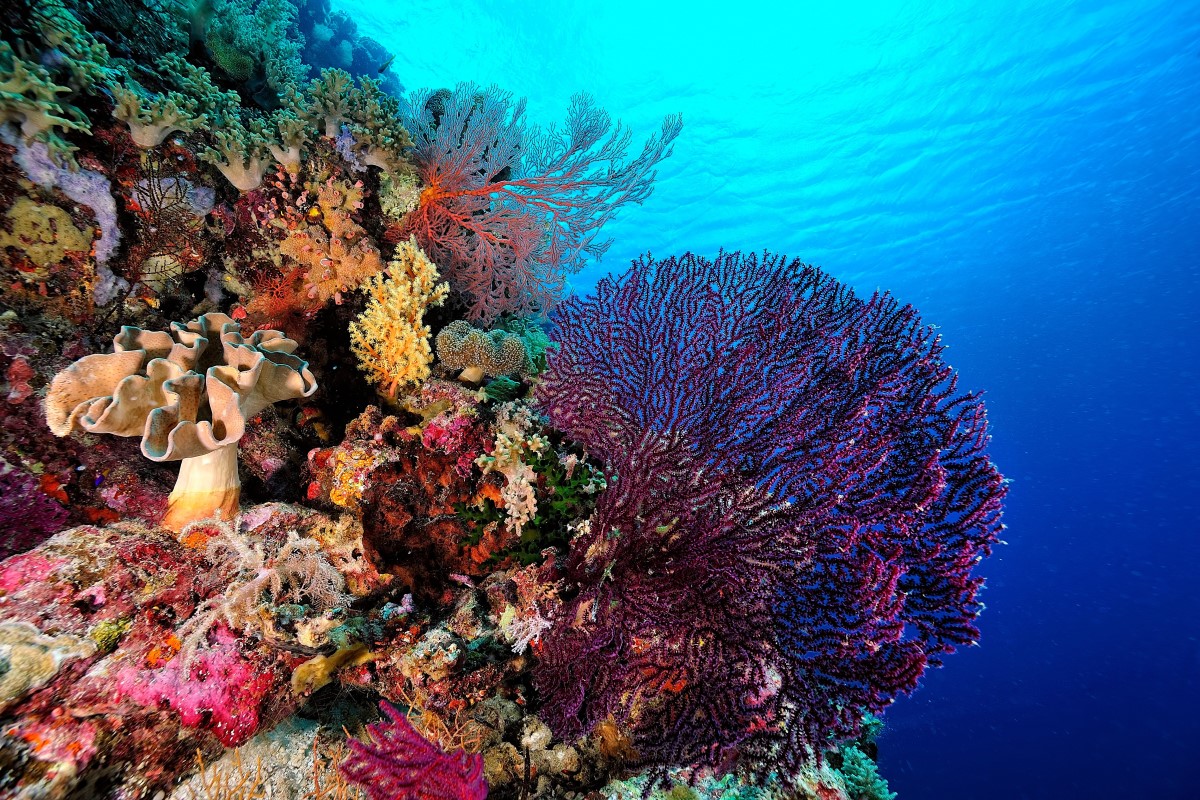
Coral bleaching is a major cause for concern across the world’s oceans. Caused by extreme heat, this phenomenon weakens corals and endangers marine ecosystems.
The Cayman Islands have been the epicenter of several projects focused on cleaning and recovering corals, especially since 2023, when one of the hottest summers ever recorded caused severe harm.
Many organizations, both official and community-driven, have been working hard to reverse the damage, a task that’s far from being easy but that is already showing some encouraging results.
How a Morning Swim Became a Movement: Meet The Coral Cartel
Robert Harrington Johnson, one of the co-founders of The Coral Cartel, stated that they chose this name because it conveys the urgency they feel about the issue.
The movement grew entirely by word of mouth: what started with just four friends has expanded into a dedicated community of around 30 volunteers who gather every Sunday morning to clean and protect Grand Cayman's reefs.
How it Started
It all started on an ordinary morning when Rob Harrington-Johnson and his housemates decided to go for a dive to blow off steam after a tough week. Armed with mesh bags, they spent their dive clearing discarded fishing line and marine debris from the local reef, and instantly found that giving back made their day better. What began as an informal weekly ritual quickly gained momentum, eventually growing into a dedicated volunteer force that includes local residents, marine biologists, and conservation scientists.
“I came for the fun and stayed for the cause”, said Davesh Jain, one of the attendees.
Communities, Organizations, and Multinational Companies Join Efforts to Fight for the Corals
Grassroots initiatives like The Coral Cartel are part of a much broader, island-wide coalition dedicated to reef restoration. Across the Cayman Islands, community volunteers, government agencies, non-profit organizations, and corporate partners work side by side to safeguard fragile marine ecosystems.
Key Players Across the Islands Include:
Central Caribbean Marine Institute (CCMI): Based in Little Cayman, CCMI leads groundbreaking scientific research, runs offshore coral nurseries, and pioneers ocean literacy programs.
Cayman Eco: A non-profit dedicated to environmental education and sustainability initiatives across the islands.
Local Dive Operators & Private Partners: Entities like Sunset House, Ocean Frontiers, and Red Sail Sports actively support coral nursery maintenance, lionfish culling, and eco-tours, providing the dive infrastructure that makes hands-on conservation possible.
Corporate support has also played a crucial role when emergency restoration was needed most. In early 2015, Carnival Cruise Line pledged $100,000 as a goodwill gesture to restore a section of the George Town reef damaged by a cruise ship anchor the previous year. Combined with $28,000 raised by local community members at a waterfront fundraiser that February, these funds allowed volunteer divers and environmentalists to purchase vital equipment and continue their painstaking work.
What began as localized rescue missions has grown into a structured, long-term conservation movement. Guided by the Cayman Islands Department of Environment (DoE), volunteer groups work alongside marine scientists to cultivate resilient fragments in nurseries, outplant healthy specimens onto natural substrates, and clear away suffocating algae, storm rubble, and marine debris. Supported by corporate contributions, non-profit grants, and community fundraisers, this multi-sector alliance is turning local passion into measurable, long-lasting ocean protection.
The Importance of Awareness and Community Support: Every Action Helps Build a Better Future
The damage inflicted in just a few weeks of heat stress can take decades to reverse. Even with thousands of hours of painstaking human intervention and multi-agency support, it can take anywhere from 7 to 30 years for a damaged reef to rebuild its structure and return to its pre-bleaching health.
For these reasons, Cayman Islands’ coral reefs need all the help they can get. Everyone can contribute with a donation, attending events, actively cleaning the reefs, or simply lending a hand.
According to one of the Coral Cartel’s co-founders, Polly Smale, anyone can be a volunteer. They don’t have to be experienced divers or great swimmers: “Being our sort of land support and helping us pull the things out of the water, that's perfect”, said Smale in an interview with Compass Media Cayman.
All it takes is a desire to work on a good cause and the decision to contribute to repairing the damage our planet is suffering due to human activity, global warming, and pollution.