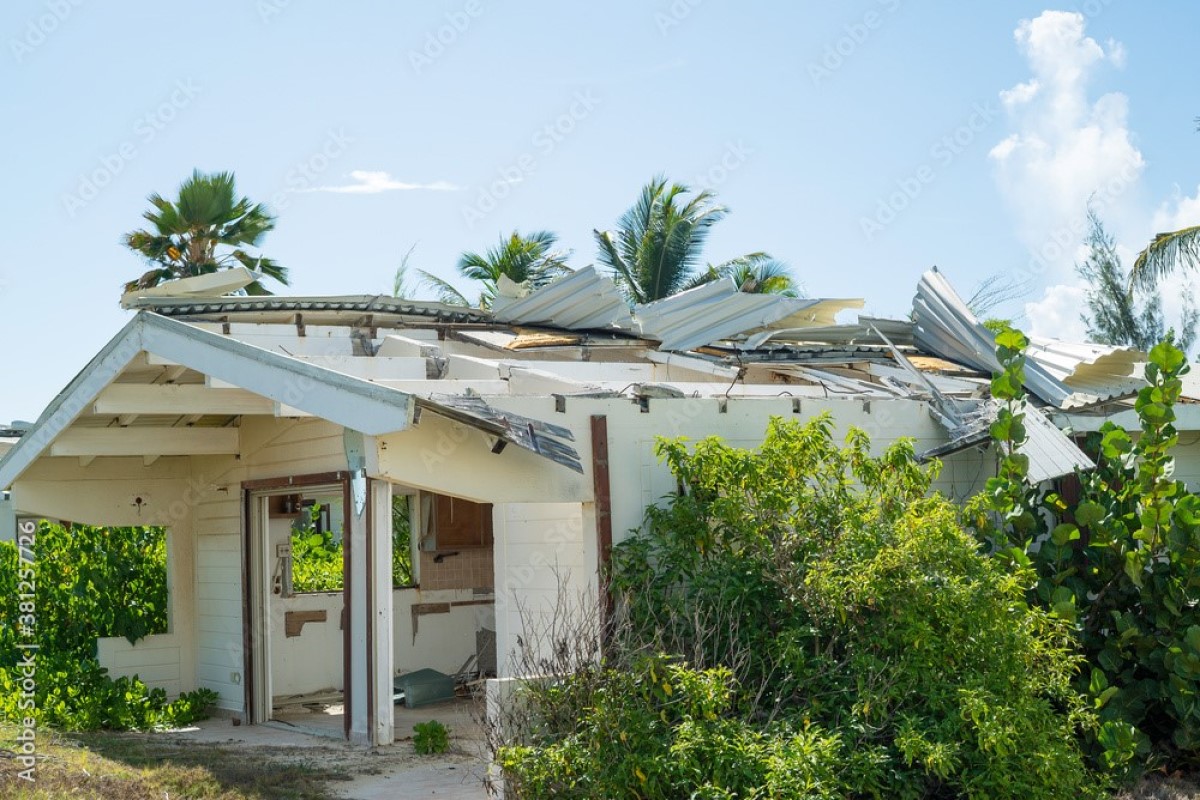
Kay Karayib ki pwoteje kont siklòn
Bèl lanmè ak klima tanpere Karayib la atire touris pandan plizyè dizèn ane. Men, se pa sèlman sa yo atire. Yo kreye tou kondisyon pafè pou gwo tanpèt, gwo van ak siklòn. Se poutèt sa, chak pwopriyetè kay dwe byen okouran de kijan pou pwoteje kay yo byen kont siklòn pou asire sekirite fanmi yo, lokatè yo ak pwopriyete yo. Mezi pwoteksyon yo varye nan konpleksite ak pri. Pandan ke kèk materyèl oswa enstalasyon amelyore ka chè, gen lòt opsyon ki pa chè ditou epi fasil pou ajoute, menm nan kay ki deja konstwi.
Lè Lanati Vin Enposib Pou Arere: Senti Siklòn nan
Siklòn yo konnen pou van pwisan yo, ki ka mete gwo presyon sou estrikti yon kay. Rafal gwo vitès sa yo ka domaje twati, fenèt ak pòt si yo pa byen ranfòse. Konprann risk yo kapab premye pa pou ranfòse ak pwoteje pwopriyete w la efektivman. Men, ki jan tanpèt sa yo kreye, e ki kote yo pi komen? Gwo van yo deklanche pa yon seri loraj ki rive an menm tan, sa rive lè lè cho monte rapidman. Efè yo diminye lè tanpèt yo vwayaje sou tè; sepandan, bagay yo trè diferan pou ti zile ki antoure pa kilomèt ak kilomèt lanmè cho, ki antyèman anba men van chanjan yo. Gen kèk peyi, akòz kote yo ye a, ki pi vilnerab paske yo sou chemen siklòn yo. Sa a se sa nou konnen kòm "sentiwon siklòn nan," ki kòmanse nan kòt sidès Etazini epi ki etann atravè Bahamas, Kiba, Ayiti ak Zile Vyèj yo. Gen lòt, tankou Aruba ak Curaçao, ki raman fè eksperyans move tan konsa paske yo pi pre tè pwensipal la. Siklòn yo pi komen tou pandan yon peryòd espesifik nan ane a: soti jen rive novanm.
Pwoteje Kay Ou Kont Siklòn
Premye bagay pou klarifye se ke pa gen kay ki reziste kont siklòn, se sèlman kay ki reziste kont siklòn. Pa gen okenn mezi, materyèl, teknik, vè ranfòse, oswa mozayik kalite siperyè ki ka 100% iminitè kont fòs nati yo. Men, chak pwopriyetè kay ka pran tout prekosyon posib pou minimize domaj, e men kijan pou fè sa.
Objektif prensipal ou lè w ap pwoteje yon kay kont siklòn: Pwoteje do kay la
Domaj nan twati a se youn nan pwoblèm ki pi komen e ki koute chè pandan yon siklòn. Kòm pwen ki pi wo nan estrikti a, se li ki pi vilnerab a gwo van. Se li menm tou ki kenbe tout bagay ansanm nan kay la. Se poutèt sa li konstitye premye liy defans ou e ou ta dwe trete l konsa.
Kijan pou pwoteje do kay ou a
Enstale espageti twati
Enstale braslè twati yo ap fè twati ou mwens fasil pou detwi. Lè yo byen enstale sipò sa yo, ki konekte travès twati yo ak mi ekstèn yo, yo gaye van an desann nan fondasyon yo. Metòd sa a pa koute chè epi li fasil pou enstale, menm nan kay ki deja konstwi. Yon sèl etap senp ka fè yon gwo diferans nan rezistans kay ou.
Amelyore materyèl yo
Plis materyèl ou yo rezistan, se plis twati ou ap rezistan. Amelyorasyon an ka pi chè epi li ka pran plis tan pase enstale braslè, men li vo lapenn pou pwopriyetè kay ki pran sekirite oserye. Lè wòch, branch kase, ak tout kalite debri frape twati ou, ou vle yo pa danjere otank posib. Yo rekòmande fèy metal, twil beton, ak shingle klas 4 olye de bwa, ki mwens solid epi ki gen sifas iregilye. Li evidan, pa gen okenn materyèl ki ka reziste tan. Sa gwo van pa ka detwi, mete ak chire ka detwi. Antretyen alontèm se poutèt sa yon lòt faktè kle pou kenbe twati ou entak. Idealman, yon pwofesyonèl ta dwe enspekte twati yo apre chak tanpèt, paske domaj yo pa toujou vizib. Pwochen tanpèt la ka pa padone tankou anvan an sou yon estrikti ki deja konpwomèt.
Kenbe debri yo deyò epi kenbe moun ou renmen yo andedan: Fenèt ak pòt
Pwoteje fenèt ou yo kont siklòn
Objektif prensipal pwoteksyon fenèt ak pòt yo se pa tèlman pwoteje kay la, men tout moun ki anndan l. Si yon pòt garaj bay legen, gwo kouran dlo a ka lakòz gwo domaj nan mèb, tapi, aparèy, ak moun, e menm deklanche kous kout. Lè n ap pale de fenèt, objektif la se pou, lè yo frape vit la, li fann olye pou l kraze an ti moso k ap vole. Pi gwo danje pou moun se vit kase k ap eksploze anndan nan mitan yon sitiyasyon ki deja kaotik. Pi bon solisyon an se enstale vit ki reziste kraze, ki fèt espesyalman pou reziste gwo enpak. Li fonksyone menm jan ak vit machin: lè li fann, vit la rete andedan ankadreman an olye pou l vole nan tout direksyon. Sekrè a se plizyè vit ki lye pa kouch entèmedyè dirab ki absòbe enpak la epi ki kenbe moso yo ansanm. Vole ki reziste siklòn yo ka yon bon konpleman, byenke yo gen tandans fè espas la vin pi fonse. Yo vini nan vèsyon ki woule ak vèsyon ki enstale pèmanan.
Fè atansyon ak mit ak move enfòmasyon
Gen yon mit ki sikile depi plizyè dizèn ane ki sijere ke tep adezif se yon fason serye, fèt lakay, pou pwoteje fenèt yo. Move konsepsyon sa a soti nan yon bwochi nan ane 1970 yo ki te rekòmande pratik sa a. Non sèlman li pa itil ditou, men li ka aktyèlman ogmante danje paske vit la fini kraze an moso ki pi gwo, pi file, epi ki pi danjere. Yon pratik komen se bouche fenèt yo ak plywood. Sa ka bay pwoteksyon tanporè kont debri k ap vole ak gwo van lè yo byen enstale, men se pa solisyon ki pi efikas alontèm. Epitou, enstalasyon ak retire repete ka domaje penti ekstèn oswa bòday. Pwopriyetè kay yo ka benefisye de planifikasyon davans epi tou lè yo envesti nan solisyon pèmanan oswa ki ka itilize ankò. Fenèt ki reziste enpak oswa vole siklòn enstale pa pwofesyonèl ofri pwoteksyon, konvenyans, ak rezistans siperyè.
Debarase w de tout menas potansyèl yo: Kenbe anviwònman an pwòp
Li pi enpòtan pase ou panse pou ou toujou ap veye sa k ap pase bò pwopriyete w la. Kenbe pyebwa yo koupe epi retire tout branch ki tonbe ak tout bagay ki lach. Lè gwo van voye bagay lou yo tankou vrè misil, ki menase anpil tout bagay ak tout moun sou chemen yo. An akò avèk sa, li toujou yon bon lide pou kenbe teras la ak lakou devan an pwòp, epi lè yo prevwa yon tanpèt, pote tout mèb deyò yo andedan. Li enpòtan tou pou tout aparèy elektrik ak sistèm HVAC yo enstale pi wo sou mi yo, sa vle di, separe ak planche a, pou si ta gen inondasyon, pa gen okenn risk pou gen yon kous sikwi. Pale de dlo, yon lòt mezi efikas se enstale ouvèti pou inondasyon. Si ta gen inondasyon, sa yo pral soulaje presyon idrostatik sou mi yo, pwoteje fondasyon yo, epi anpeche efondreman estriktirèl. Asire w ou fè rechèch sou egzijans lokal yo pou enstalasyon yo. Youn nan prensipal yo se yo fonksyone nan tou de direksyon yo, kite dlo antre ak sòti otomatikman san okenn entèvansyon imen.
Konsiderasyon kle pou pwoteje kont siklòn si w pral konstwi
Si w pral bati pwòp kay ou, ou gen yon gwo avantaj. Ou ka entegre anpil nan mezi sa yo pandan konstriksyon an epi pran desizyon konsepsyon an konsekans. Si sa posib, chwazi yon twati anch olye de yon twati gable. Twati anch yo pwouve yo pi efikas pou devye presyon van an lwen estrikti a, kèlkeswa direksyon van an soti. Tout bagay se sou ayewodinamik. Twati gable yo kenbe byen lè van an frape kote yo, men lè li frape pwent gable yo, li ka leve twati a tankou yon vwal bato.
Ale epi sove tèt ou anba pwoblèm
Yon tandans achitekti k ap grandi montre li diminye presyon van an pa 30% nan kay won. Yon kay rektangilè tipik gen de miray ki pi long pase lòt yo. Lè van frape youn nan gwo sifas sa yo, miray sa a sipòte tout fòs la. Sepandan, avèk yon kay won, fòs sa a pa absòbe pa yon sèl miray, li devye alantou estrikti a. Yon konpayi familyal ki soti nan Karolin di Nò, ki rele Deltec, ap komèsyalize kalite konstriksyon sa a. Dapre enjenyè prensipal yo a, desen yo gen yon to siksè 99% nan gwo siklòn epi yo ka reziste van 190 mil pa èdtan, sa vle di siklòn kategori 5.
Planifye davans pou tanpèt la
Prensipal kòz siklòn yo se dlo cho oseyan an ak lè imid, epi pandan rechofman planèt la ap kontinye, yo prevwa ogmantasyon tanperati sifas lanmè nan Karayib la ap alimante siklòn ki pi grav yo, ak van ki pi fò ak lapli ki pi fò. Pwopriyetè kay yo ta dwe pran tout mezi ki disponib pou pwoteje ni moun yo ni pwopriyete ki anba swen yo. Aksyon yo ka senp tankou enstale braslè twati pou amelyore materyèl yo, pou konstwi yon pwopriyete nèt nouvo anba yon konsèp konsepsyon revolisyonè. De tout fason, ti abitid tankou kenbe lakou ou pwòp ka deja fè yon gwo diferans. Sa ki pi enpòtan: pa konte sou mit iben yo. Rete enfòme, swiv previzyon metewolojik yo, epi sonje ke twati ou se premye liy defans ou. Epi apre chak tanpèt, rele yon espesyalis pou tcheke pou domaj kache, twou ki pa vizib, oswa twil ki leve. Pa dòmi sou pwoteksyon kont siklòn. Pwoteje tèt ou ak moun ou renmen yo!